Community News |
|
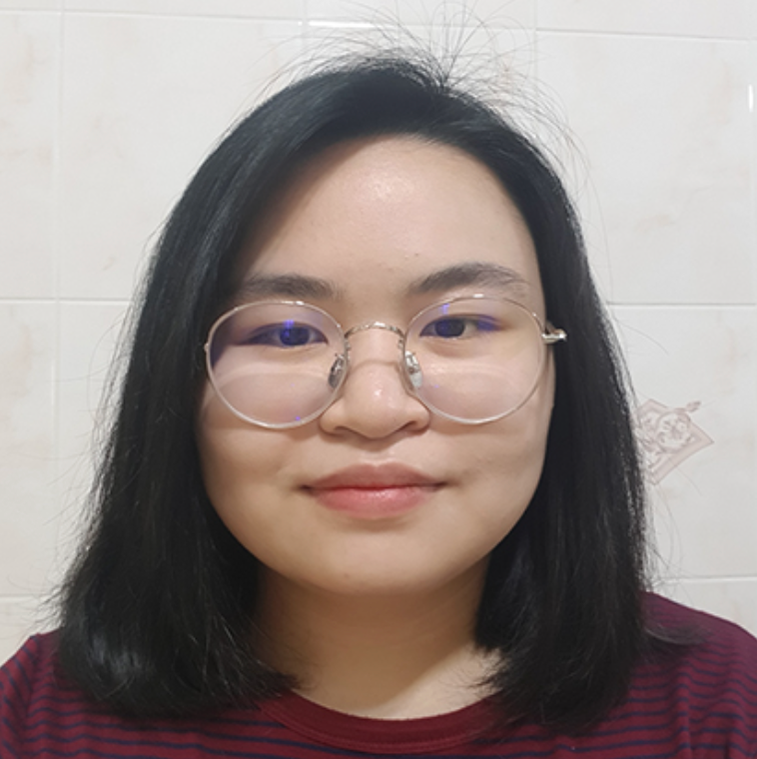
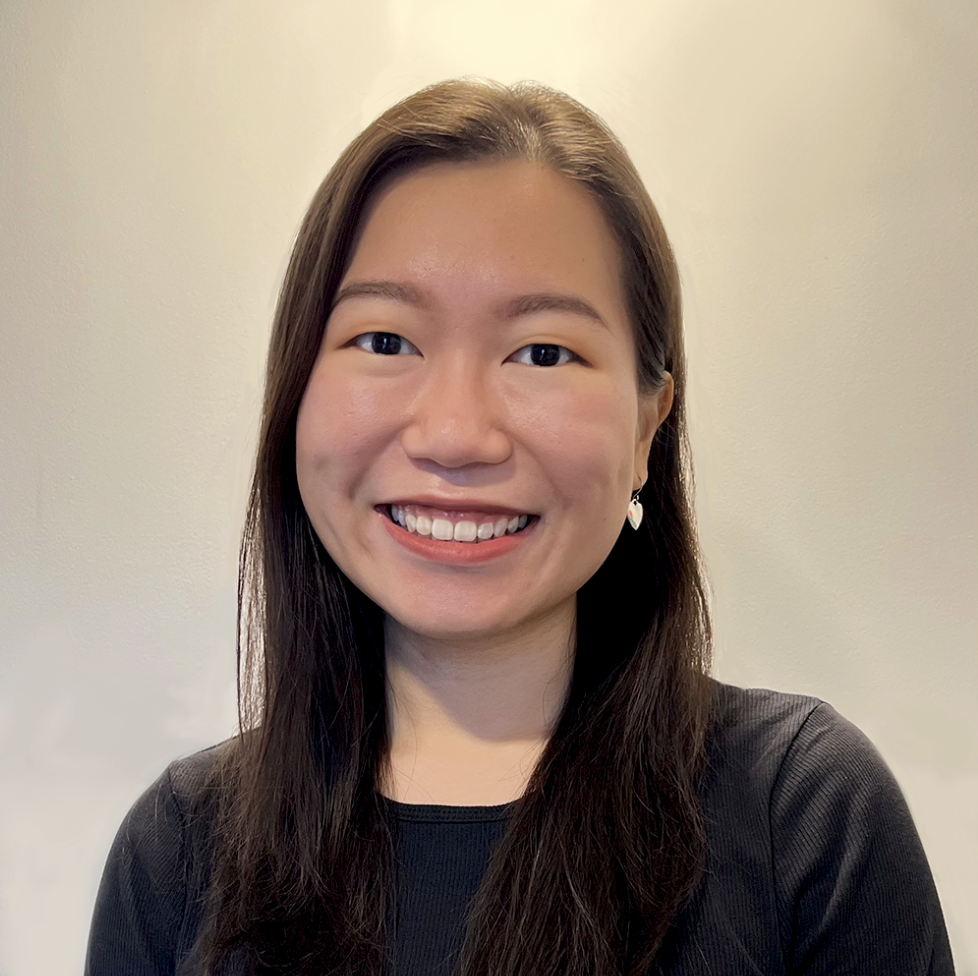
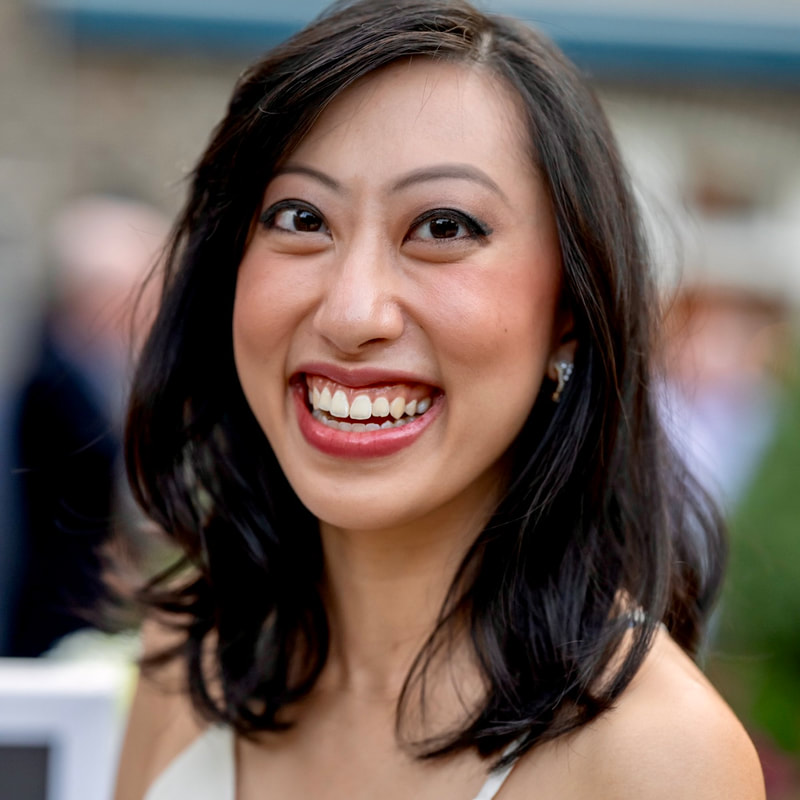
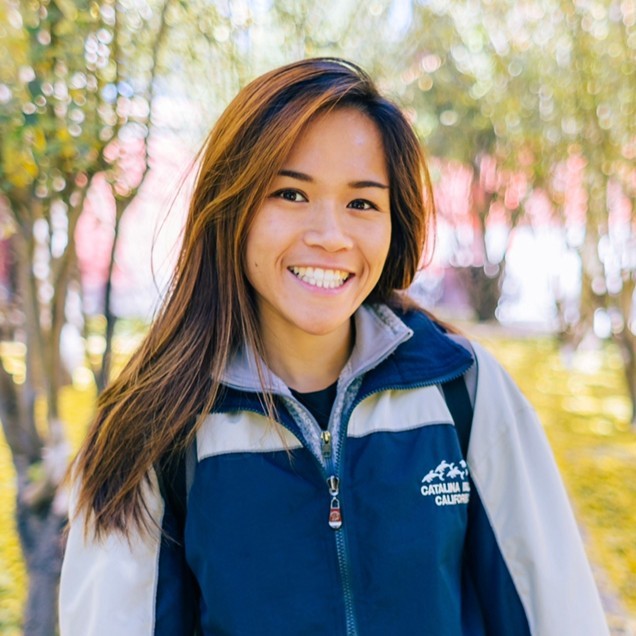
 Congrats, you just landed your first job in animation! Now what? Join Ting Liu for a crash course on the animation workflow and learn soft skill tips such as prioritizing and integrating feedback that’ll boost your performance and help you grow in your new role. Ting will be using the 3D animation workflow as an example, but all are welcome to learn, especially our early career CG animators! We’ll be covering topics such as: - Joining a new team or project - Task prioritization - How to ask questions - Training your eye as an artist Saturday, Dec 16th @9:30AM PT RSVP at bit.ly/AIACareerSummit2023 About the SpeakerTing's animation journey has taken her to diverse locations like Taiwan, England, Montreal, Vancouver, and London. With experience spanning TV series, gaming, and the VFX industry, she has worked on incredible projects including SONIC II, PINOCCHIO, CRUELLA, THOR: LOVE & THUNDER and ANTMAN AND THE WASP: QUANTUMANIA. She is currently serving as an animation mentor for Women in Animation.
Let's get stuff done, together! Join us for a virtual co-working session to work on whatever you'd like - need to update your portfolio? Want to finish a story outline? Just need some space to plan the rest of your week? Come hang out and we'll work together! Saturday, Dec 16th @11 AM PT RSVP at bit.ly/AIACareerSummit2023 About the Host
Join us for a storyboarding masterclass that covers everything you need to know to kickstart your storyboard journey and be the most effective storyteller you can be! Dive into the world of storyboarding with a masterclass from writer-director Henry Yu as he shares essential tips on the art of comedy, storyboarding, and story development. Saturday, Dec 16th @7:00PM PT RSVP at bit.ly/AIACareerSummit2023 SEE THE FULL SCHEDULE HERE: https://www.asiansinanimation.org/summit/ About the SpeakerHenry Yu started at Pixar and has worked on some of your favorite shows at Cartoon Network, Disney TV Animation, Nickelodeon Animation and Sony Pictures Animation, where he had his directorial debut with SURF'S UP 2: WAVEMANIA. He later moved to Netflix to write and direct original animated features. Henry is currently faculty at CalArts, where he teaches story structure, story and character development, writing, and storyboarding.
Take some time to reflect on this week's accomplishments and set your goals for the next week in this dedicated space - let's start next week ready to learn, grow and make the most of everything! This space is open to all - we hope to see you there! Sunday, Dec 17th @2PM PT RSVP at bit.ly/AIACareerSummit2023 About the HostAllyson is a character designer and illustrator from California, San Diego. She volunteers as an illustrator for AIA.
Negotiations 101 with Alice Jiang (Creative Director, AIA) – Asians in Animation Career Summit 202311/30/2023
Negotiations are an important part of your career, and navigating them can be intimidating! Join AIA Creative Director Alice Jiang for an informational talk on what the negotiation process looks like learn some valuable strategies for a successful negotiation. This talk will be geared to current students, recent grads, and those looking to break in, but all are welcome to join! Sunday, December 17th at 4PM PT RSVP at bit.ly/AIACareerSummit2023 About the HostAlice Jiang is currently a Production Assistant at Titmouse on an upcoming 2D Animated TV series, JENTRY CHAU VS THE UNDERWORLD, for Netflix. As a passionate animation production professional, she values organization, communication, and building relationships. Outside of work, she also contributes greatly to the community at AIA as the Creative Director.
Join us for an insightful AMA session with Head of FX at Walt Disney Animation Studios in Vancouver, Clementine Lo! Clementine will be sharing her expertise in FX Animation and shedding light on the unique experiences of being a working mother in a leadership role within the industry. This talk highly recommended to students and those with an interest in FX Animation, but open to all! Sunday, Dec 17th @6:00PM PT RSVP at bit.ly/AIACareerSummit2023 SEE THE FULL SCHEDULE HERE: https://www.asiansinanimation.org/summit/ About the SpeakerClementine is currently the Head of FX at Walt Disney Animation Studios in Vancouver, and she was previously FX Supervisor on LEO and Lead FX on DC LEAGUE OF SUPER PETS at Animal Logic. Clementine has an experience with the entire 3D pipeline and has worked in various industries including film, commercials, video game, research and education.
Let's start our week right, together! This space is a working session to discuss your accomplishments and focus on your goals for the next week - everyone is welcome! Monday, December 18th @4PM PT RSVP at bit.ly/AIACareerSummit2023 About the Host
Let's get stuff done, together! Join us for a virtual co-working session to work on whatever you'd like - need to update your portfolio? Want to finish a story outline? Just need some space to plan the rest of your week? Come hang out and we'll work together! Monday, Dec 18th @7 PM PT RSVP at bit.ly/AIACareerSummit2023 About the Host
Hosted by 2D animators Jamie Chua and Alison Loke, come take some time to work on artwork, spruce up that portfolio and get started on your goals in an open, casual setting with other Asians in Animation members! This session is highly recommended for our European based members who want to pursue 2D animation - but open to all who'd like to come and participate! Tuesday Dec 19th @2AM PT RSVP at bit.ly/AIACareerSummit2023 SEE THE FULL SCHEDULE HERE: https://www.asiansinanimation.org/summit/
Join AIA Volunteer Grace Dennin for an engaging session on elevating your stories! In this challenge, you will have the opportunity to expand your creativity and build upon your storytelling skills within a safe space, ending with a mock story session for all to participate. This event will be open to all levels, and is highly recommended for current students, recent grads, and those looking to break in! Tuesday, Dec 19th @6PM PT RSVP at bit.ly/AIACareerSummit2023 About the HostGrace Dennin is an Indonesian-American screenwriter who holds an MFA in Dramatic Writing from NYU Tisch and is a recent finalist for the NBCUniversal Animation Writers Program. As a Recruiting Assistant for AIA, she connects volunteer opportunities to members who want to network and gain industry-related experience.
Join AIA President Lexie Chu as she shares strategies for effective time management. Together we'll learn and discover personalized systems that work for you, including time management exercises and helpful tips and tricks! This talk is open to anyone looking for tips and tricks to increase productivity. Then, join us for a hands-on working session immediately following the "Time Management 101" talk with Lexie Chu. It’s time to turn our new knowledge into action and start building your time management strategy! PRESENTATION: Wednesday, Dec 20th @12:00PM PT COMMUNITY WORKING SESSION: Wednesday, Dec 20th @12:45PM PT RSVP at bit.ly/AIACareerSummit2023 SEE THE FULL SCHEDULE HERE: https://www.asiansinanimation.org/summit/ About the Host
For those looking to break in to industry via Agencies or as an Executive or Development Assistant, this is the session for you! Join Paramount Development Coordinator Charvonne Tsang as she delves into the intricacies of entering the industry and effectively managing your desk for success! We will be covering topics such as: • Expectations of the job • How to manage and prioritize responsibilities • Making the most of being on a desk Wednesday, Dec 20th @6PM PT RSVP at bit.ly/AIACareerSummit2023 SEE THE FULL SCHEDULE HERE: https://www.asiansinanimation.org/summit/ About the Speaker
Looking to get feedback on your pitching skills? Join us for a pitching-focused workshop where you'll have the chance to practice pitching in front of an audience and receive feedback! Open to everyone of all levels of experience, and highly recommended for those interested in being a Director or Storyboarder! Thursday, December 21st @11 AM PT RSVP at bit.ly/AIACareerSummit2023 SEE THE FULL SCHEDULE HERE: https://www.asiansinanimation.org/summit/ About the Host
 Join Asians in Animation Founder and President Lexie Chu for a work session focused on building up your professional social media presence! We'll work on touching up LinkedIn and other social media to put your best face forward! Thursday, Dec 21th @12PM PT RSVP at bit.ly/AIACareerSummit2023 SEE THE FULL SCHEDULE HERE: https://www.asiansinanimation.org/summit/ About the HostLexie currently works in Creative Development at Skydance Animation where she supports their full upcoming feature film slate of fun animated adventures, coming soon to Netflix!
Previously, Lexie worked on many beloved original features and series at Cartoon Network Studios, Illumination, and Netflix. She also champions inclusion on-screen, off-screen, and every day as the Founder and President of arts advocacy non-profit Asians in Animation. Explore and enhance your Communication Style with Skydance Production Coordinator Andrea Kutcher! Learn best practices for interpersonal communication and explore building trust amongst colleagues and peers. This is an all-levels talk for anyone, especially those in Production, who wants to be the best teammate they can be - everyone is welcome! Thursday, Dec 21th @3PM PT RSVP at bit.ly/AIACareerSummit2023 SEE THE FULL SCHEDULE HERE: https://www.asiansinanimation.org/summit/ About the Speaker
 Join AIA President and Founder Lexie Chu for a Career Planning session and start 2024 on the right foot! We'll discuss how to navigate career and life plans as well as how to think ahead, visualize your goals, and make them a reality. Open to all, and highly recommended for those early in their careers who are working on building a path for the future! Saturday, Dec 23th @10AM PT RSVP at bit.ly/AIACareerSummit2023 SEE THE FULL SCHEDULE HERE: https://www.asiansinanimation.org/summit/ About the HostLexie currently works in Creative Development at Skydance Animation where she supports their full upcoming feature film slate of fun animated adventures, coming soon to Netflix!
Previously, Lexie worked on many beloved original features and series at Cartoon Network Studios, Illumination, and Netflix. She also champions inclusion on-screen, off-screen, and every day as the Founder and President of arts advocacy non-profit Asians in Animation. Take some time to reflect on this week's accomplishments and set your goals for the next week in this dedicated space - let's start next week ready to learn, grow and make the most of everything! This space is open to all - we hope to see you there! Sunday, Dec 24th @11AM PT RSVP at bit.ly/AIACareerSummit2023 SEE THE FULL SCHEDULE HERE: https://www.asiansinanimation.org/summit/ About the Host
Come take some time to work on artwork, spruce up that portfolio and get started on your goals in an open, casual setting with other Asians in Animation members! Open to all who just want some dedicated space to work on a project - we hope to see you there! Tuesday, Dec 26th @10AM PT RSVP at bit.ly/AIACareerSummit2023 SEE THE FULL SCHEDULE HERE: https://www.asiansinanimation.org/summit/ About the Host
Community Event: Coffee Chat Practice: Speed Edition – Asians in Animation Career Summit 202311/27/2023
Excited for a Coffee Chat but not sure what to ask first or how to make the most of your time? Join AIA Creative Generalist Shay Santos for some speedy Coffee Chat practice! For students, recent grad and those breaking into the industry, this is an excellent opportunity to practice for your future Coffee Chats, and make new connections while you're at it! Tuesday, Dec 26th @11AM PT RSVP at bit.ly/AIACareerSummit2023 SEE THE FULL SCHEDULE HERE: https://www.asiansinanimation.org/summit/ About the Host
For our Asia based members - come take some time to work on artwork, spruce up that portfolio and get started on your goals in an open, casual setting with other Asians in Animation members! Open to all who just want some dedicated space to work on a project - we hope to see you there! Tuesday, Dec 26th @7PM PT RSVP at bit.ly/AIACareerSummit2023 SEE THE FULL SCHEDULE HERE: https://www.asiansinanimation.org/summit/ About the Host
Join us for a crash course on tailoring your resume and cover letter for non-artistic entry-level animation positions! Let’s talk about what hiring managers are looking for, standing out amongst stand-out candidates, breaking in from other industries, and anything on your mind! Lexie is excited to share everything she’s learned over the past ten years of working in entertainment with you, from job searching in animation to things she wished she knew when she started breaking into animation. Whether you’re looking for a sign to start or just want to hear from someone that it’s all going to be okay, bring all your questions and qualms — and let’s power up your animation applications! Tuesday, Dec 26th @11AM PT RSVP at bit.ly/AIACareerSummit2023 SEE THE FULL SCHEDULE HERE: https://www.asiansinanimation.org/summit/ About the Host
Come take some time to work on artwork, spruce up that portfolio and get started on your goals in an open, casual setting with other Asians in Animation members! Open to all who just want some dedicated space to work on a project - we hope to see you there! Wednesday Dec 27th @2:30PM PT RSVP at bit.ly/AIACareerSummit2023 SEE THE FULL SCHEDULE HERE: https://www.asiansinanimation.org/summit/ About the Host
Let's create and design together in a fun, casual challenge themed around Fairy Tale Worlds! We'll work based off of prompts to hone in our design and storytelling skills and share our creations with each other! Everyone is welcome to join in! Thursday Dec 28th @6:00PM PT RSVP at bit.ly/AIACareerSummit2023 SEE THE FULL SCHEDULE HERE: https://www.asiansinanimation.org/summit/ About the Host
As our 2023 Career Summit draws to a close, take some time to reflect on this week's accomplishments and set your goals for the next week in this dedicated space - let's start next week ready to learn, grow and make the most of everything! This space is open to all - we hope to see you there! Friday, Dec 29th @7PM PT RSVP at bit.ly/AIACareerSummit2023 SEE THE FULL SCHEDULE HERE: https://www.asiansinanimation.org/summit/ About the Host
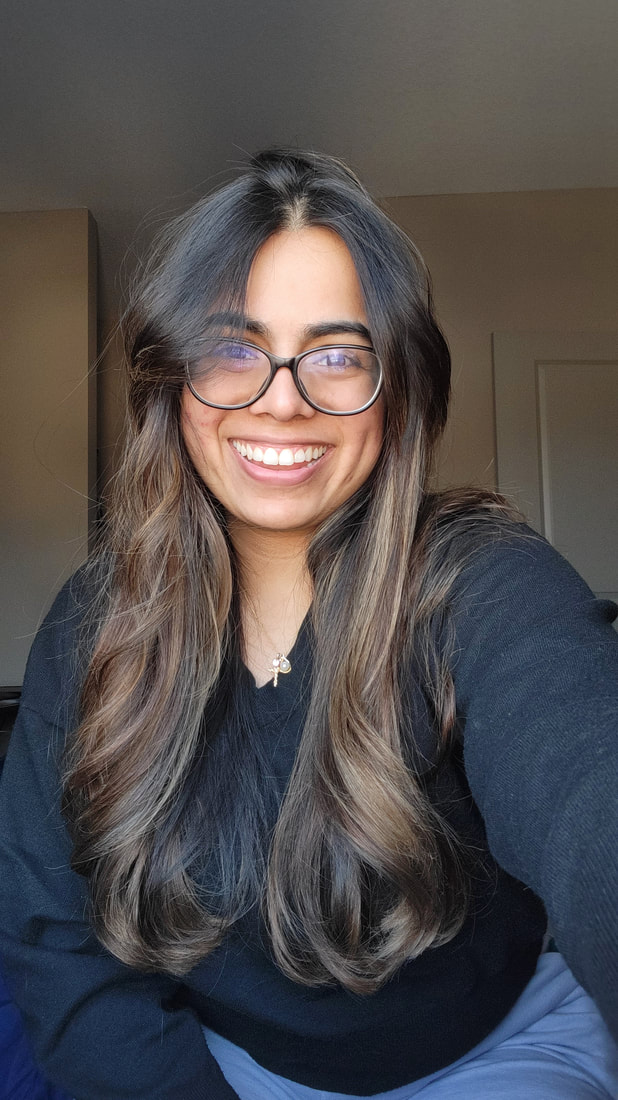
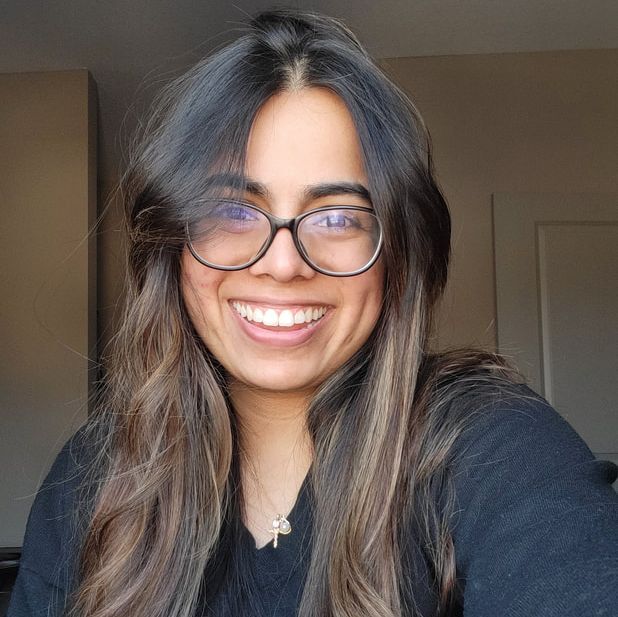
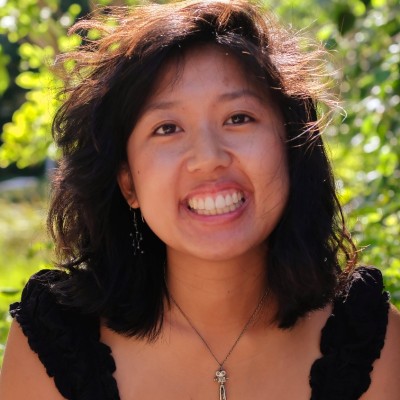
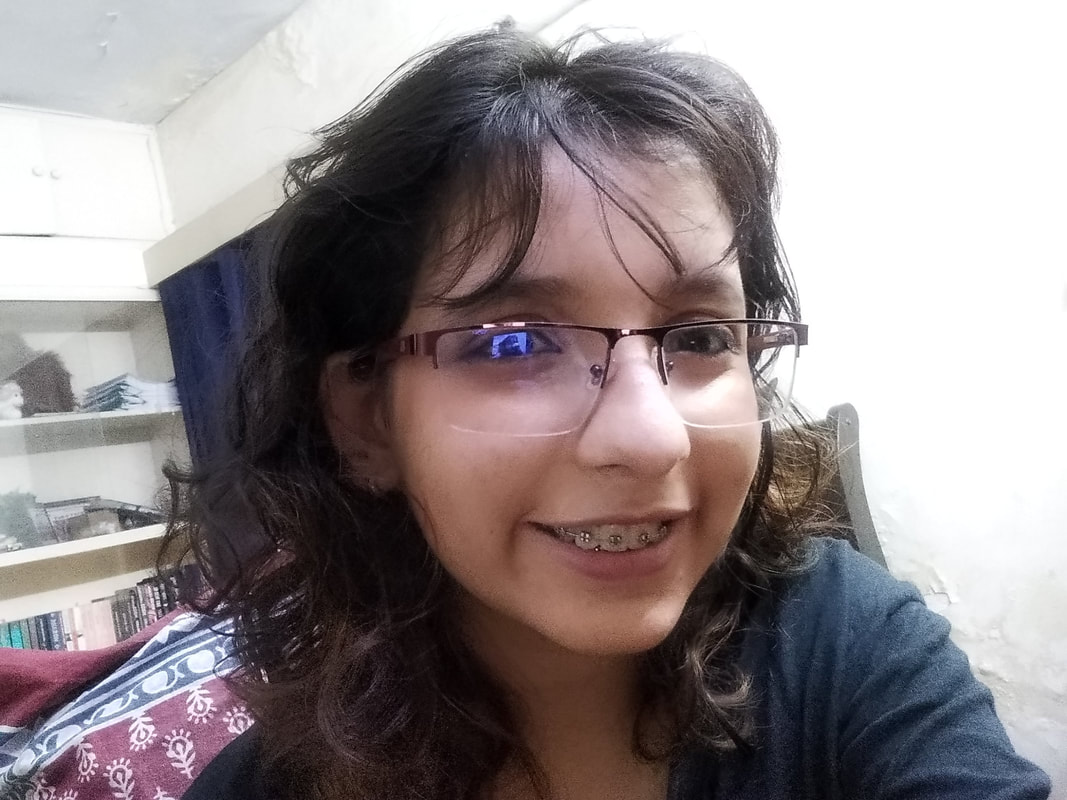
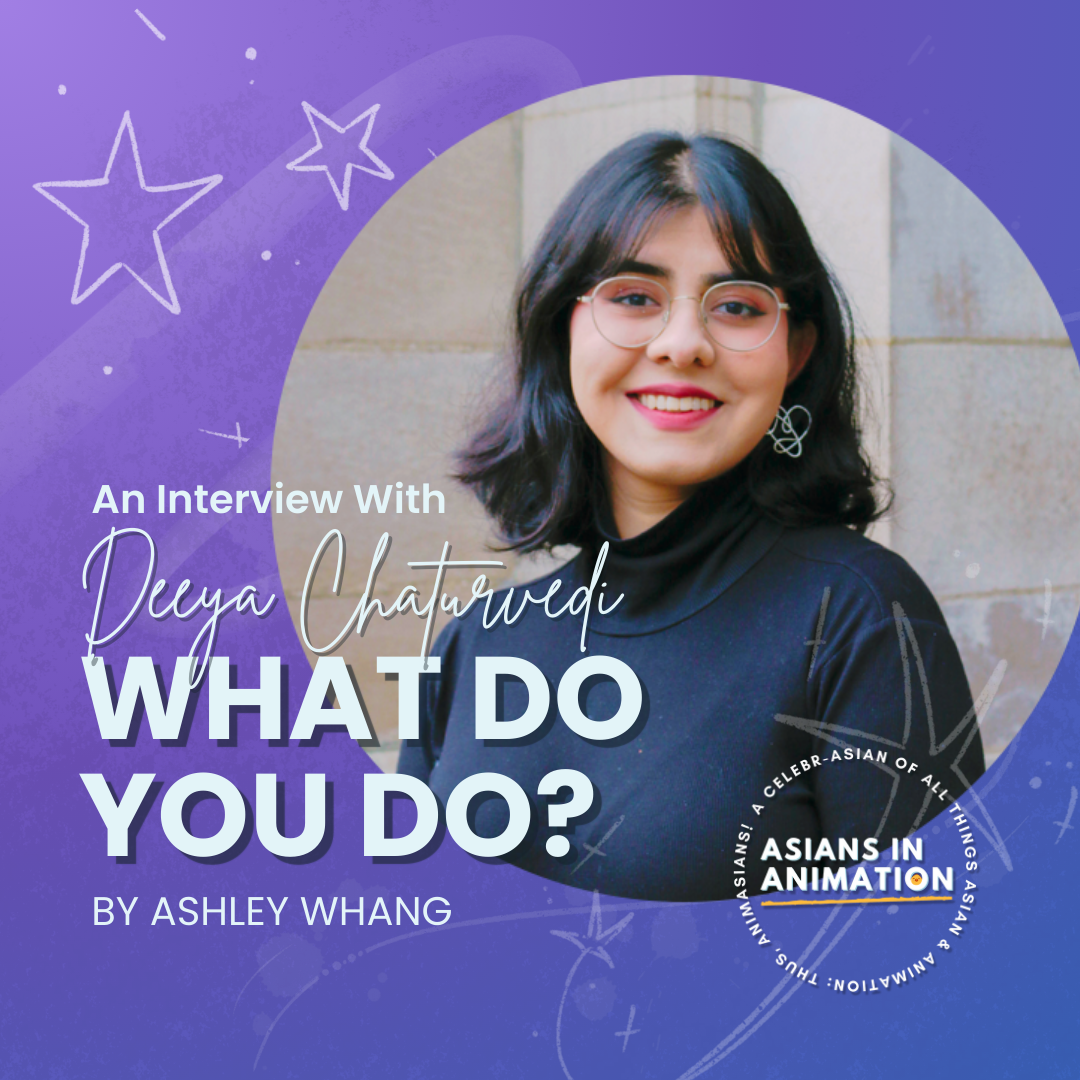 Introduce yourself and tell us what you do, in AIA and your job! I am an artistic supervisor for the Creative Team in AIA. I’m responsible for reviewing work, designing mood boards, and organizing the color palettes for illustration. As a supervisor, I’ve also created the background style guide for our team. I’ve also continued my passion for mentorship from college through organized mentorship events with AIA. Outside of AIA, I work as a Game artist at a small game studio specializing in illustration slicing. I also do a little bit of marketing, advertising, video editing, animation using a program called Spine 2D, background art, and some character and weapon concepts. I have a minor in computer science, which also helped my current responsibilities. 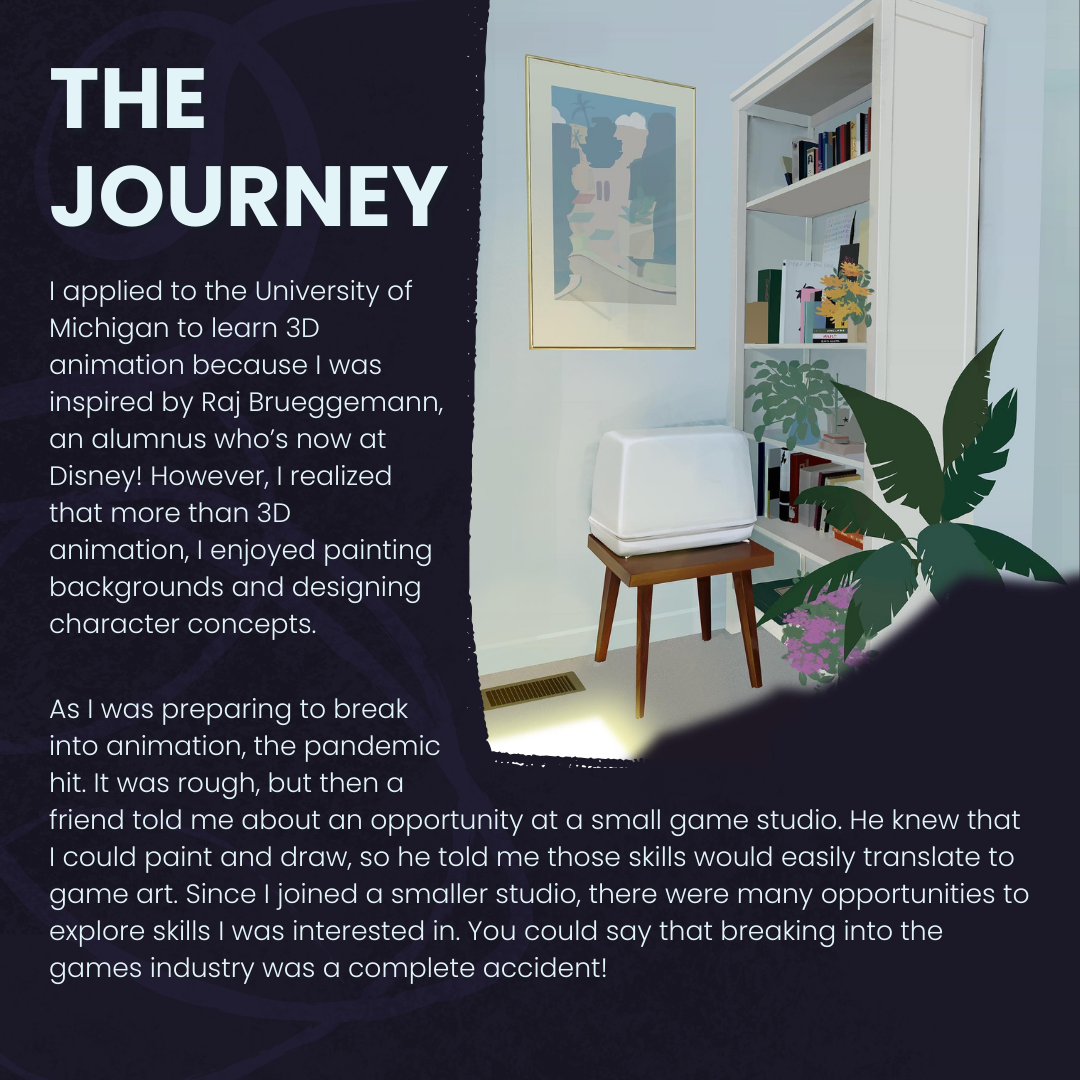 Share a little bit about your journey. How did you get to where you are? I applied to the University of Michigan to learn 3D animation because I was inspired by Raj Brueggemann, an alumnus who’s now at Disney! However, I realized that more than 3D animation, I enjoyed painting backgrounds and designing character concepts. As I was preparing to break into animation, the pandemic hit. It was rough, but then a friend told me about an opportunity at a small game studio. He knew that I could paint and draw, so he told me those skills would easily translate to game art. Since I joined a smaller studio, there were many opportunities to explore skills I was interested in. You could say that breaking into the games industry was a complete accident! 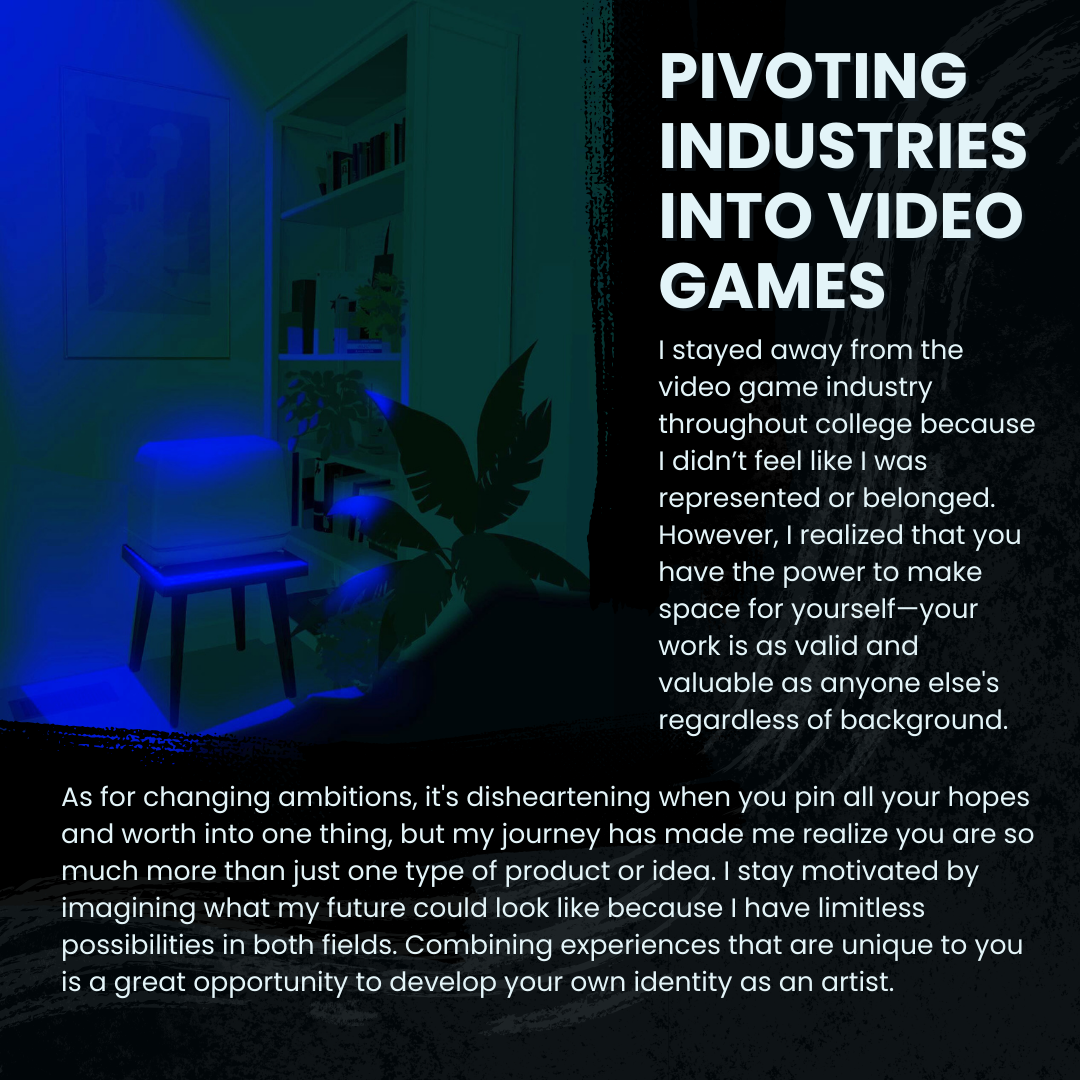 Can you tell us more about working in games and grappling with changing your ambitions, working on things you didn't expect to? I stayed away from the video game industry throughout college because I didn’t feel like I was represented or belonged. However, I realized that you have the power to make space for yourself—your work is as valid and valuable as anyone else's regardless of background. As for changing ambitions, it's disheartening when you pin all your hopes and worth into one thing, but my journey has made me realize you are so much more than just one type of product or idea. I stay motivated by imagining what my future could look like because I have limitless possibilities in both fields. Combining experiences that are unique to you is a great opportunity to develop your own identity as an artist. 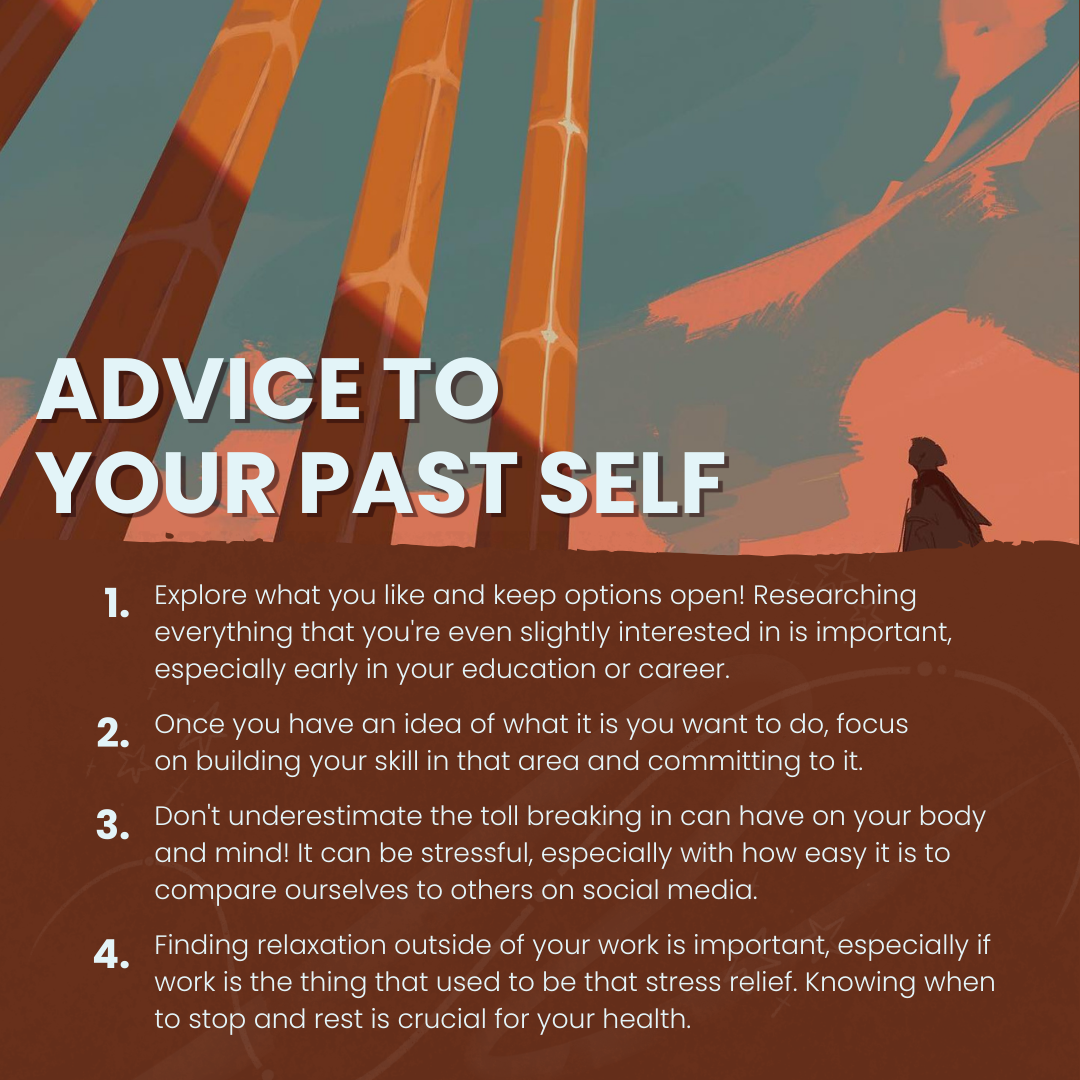 What advice would you give to your past self?
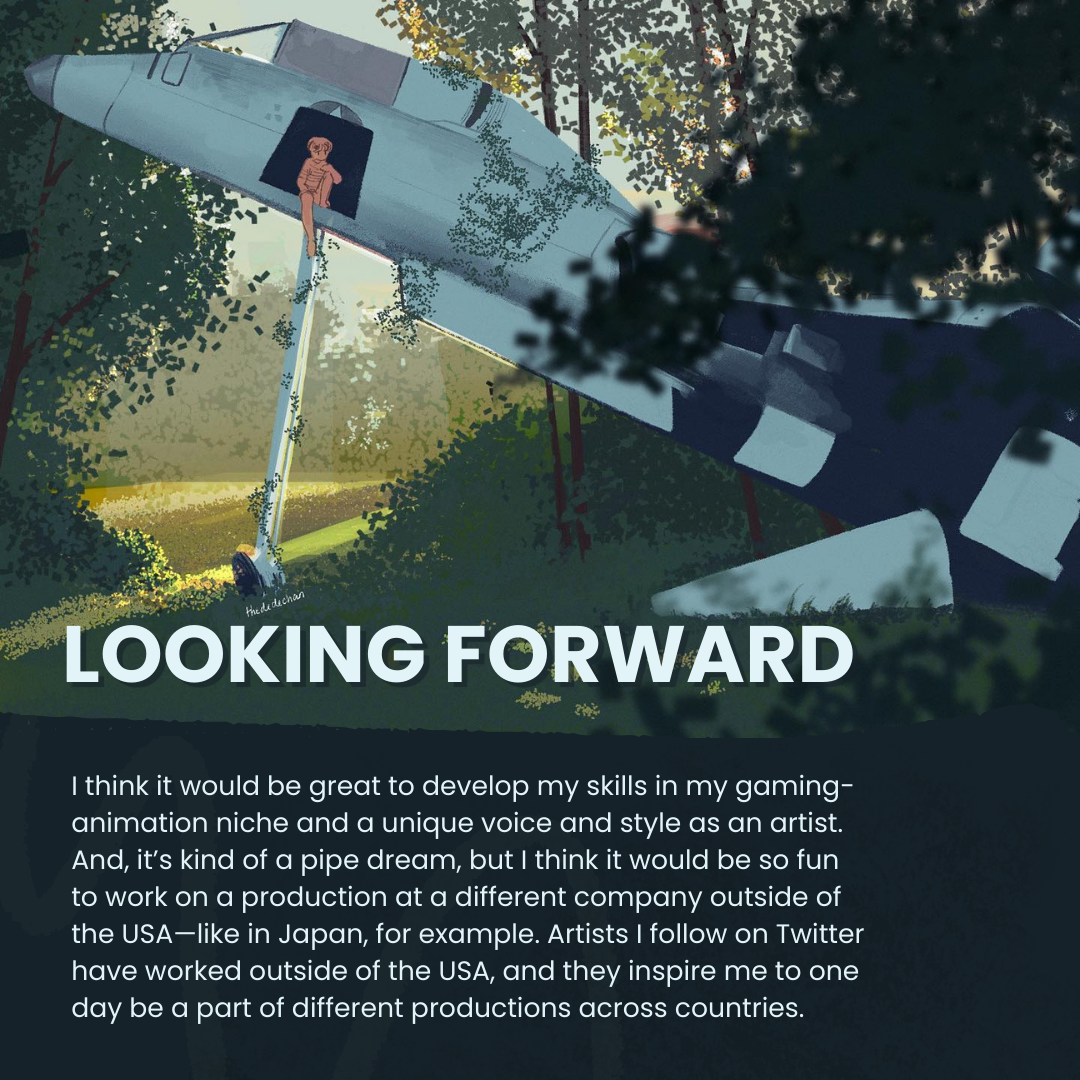 What are you looking forward to in the future?
I think it would be great to develop my skills in my gaming-animation niche and a unique voice and style as an artist. And, it’s kind of a pipe dream, but I think it would be so fun to work on a production at a different company outside of the USA—like in Japan, for example. Artists I follow on Twitter have worked outside of the USA, and they inspire me to one day be a part of different productions across countries. Interviewee: Deeya Chaturvedi By Ashley Whang |